Owning & Care
Insurance, sizing, care, appraisals, scams, and your consumer rights.
Buying the ring is the beginning; keeping it safe and beautiful is the long game. This section covers how engagement-ring insurance works and what it really costs, how to find a ring size discreetly, what resizing is and isn’t possible, the safe way to clean and maintain a ring, and how to get it appraised. It also arms you against the scams that target ring buyers and explains your FTC disclosure rights, so you protect both the ring and your money.
Diamond Treatments & Your Consumer Rights: What Sellers Must Disclose
Fracture filling, HPHT color treatment, and surface coatings are legal — but only when disclosed. Here is what the FTC requires sellers to tell you, and what the law gives you when they don't.
Standalone vs. Homeowners Insurance for Your Ring
Your homeowners policy caps jewelry payouts at $1,500–$2,500. Here is what that gap costs you — and when a standalone policy is the smarter move.
Common Ring Scams and How to Verify a Diamond
Certificate switching, fake grading reports, grade bumping, and inflated appraisals are documented and recurring. Here is how each scheme works and how to protect yourself at every step.
Ring Resizing: What's Possible, Cost & Turnaround
A complete guide to what your jeweler can actually do — by metal, setting, and size change — plus current prices and how to avoid costly surprises.
Ring Maintenance Schedule: Cleaning, Inspection & Re-Prong Guide
A jeweler-vetted calendar for protecting your engagement ring — from weekly at-home cleaning to the six-month professional inspection that catches a failing prong before it costs you a stone.
How to Appraise & Document a Ring for Insurance
A GIA report grades your diamond. An appraisal tells your insurer what it costs to replace the whole ring. Here is how to get both done correctly — and how often to repeat the process.
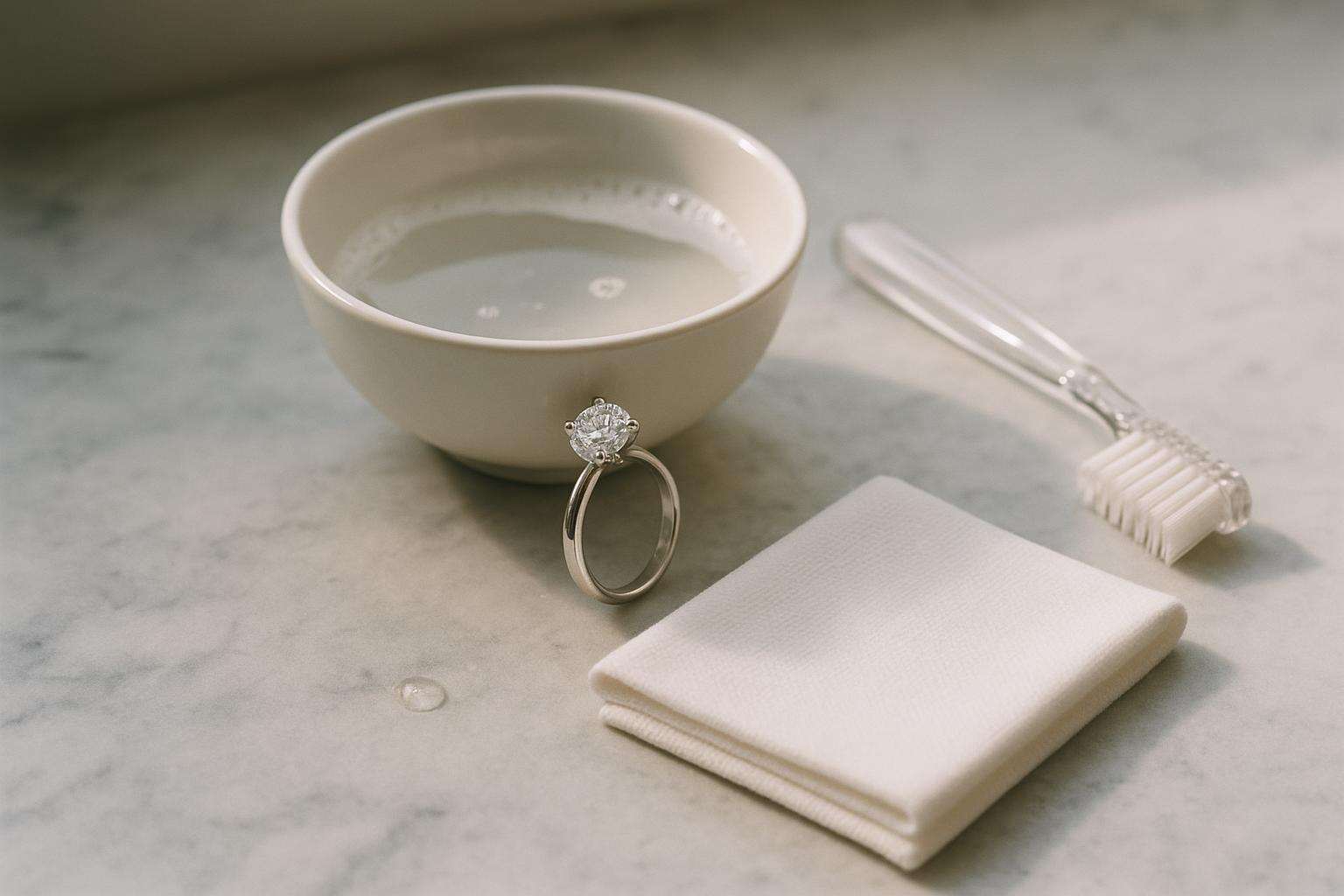
How to Clean Your Engagement Ring Safely at Home
The universal soak method works for almost every ring — but your metal and stone type change how far you should push it.
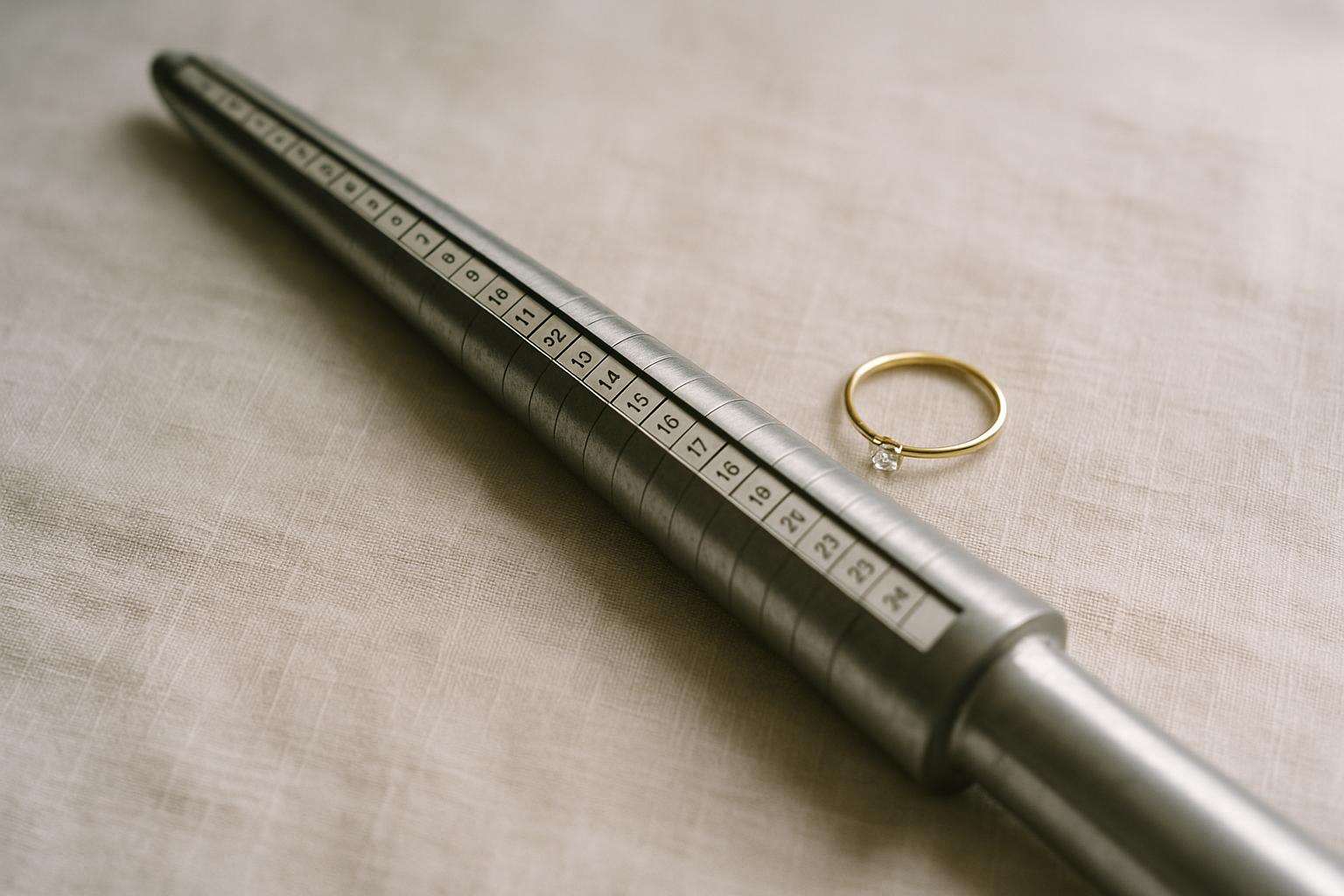
How to Find Her Ring Size Without Her Knowing
Seven ranked methods for finding your partner's ring size secretly, plus the average-size hedge and the placeholder-ring tactic that eliminates guessing entirely.
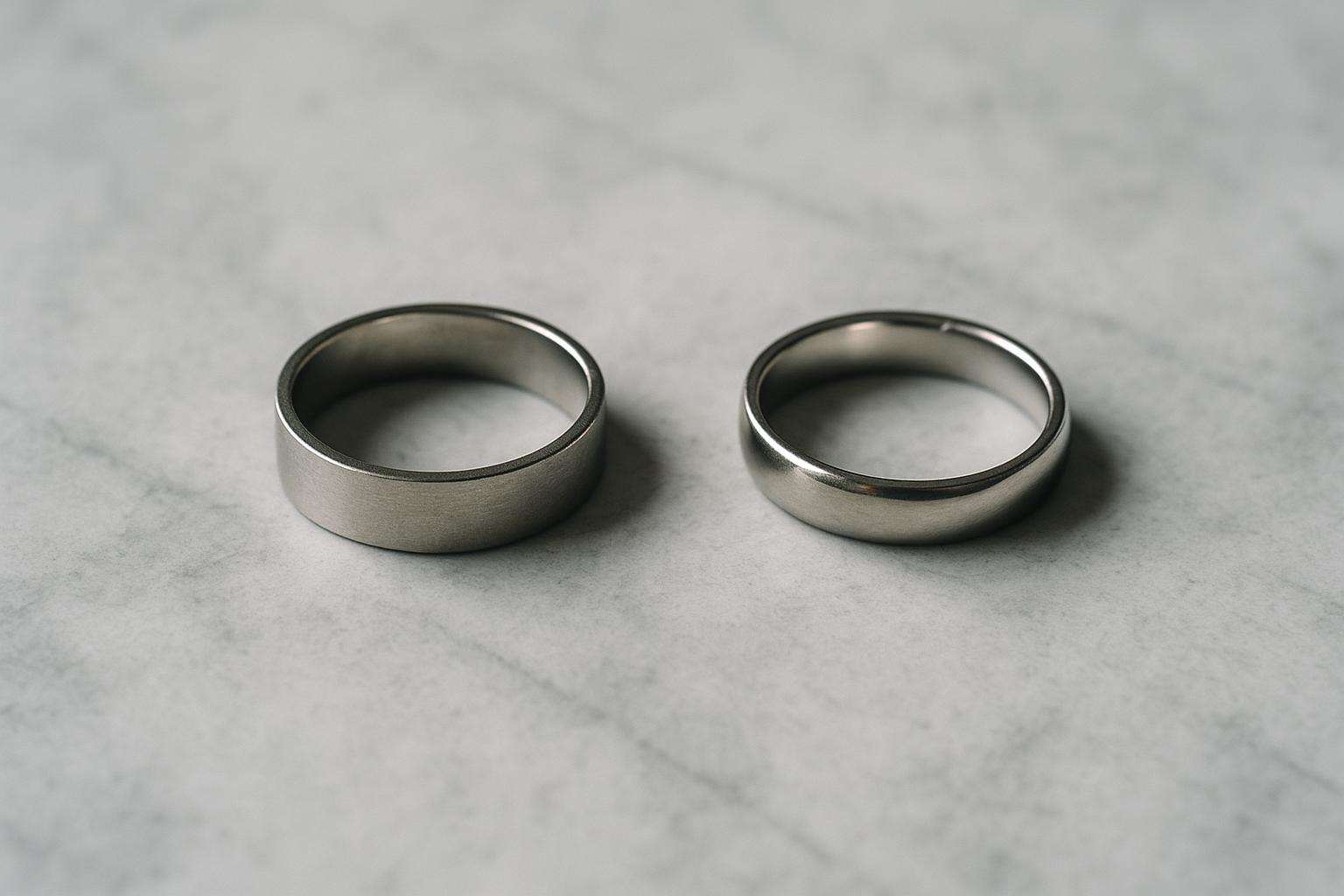
Comfort Fit vs. Standard Fit Rings: Which Interior Profile Is Right for You?
The inside of the band matters as much as the outside. Here is how comfort fit and standard fit profiles differ, how each interacts with knuckle anatomy, and the half-size adjustment you must know before ordering.
Frequently asked about Owning & Care
How much does engagement-ring insurance cost?
A common rule of thumb is roughly $1 to $2 per year for every $100 of the ring’s value, so a $6,000 ring typically costs about $60–$120 a year to insure, varying by location and theft risk. A standalone jewelry policy from a specialty insurer usually offers broader coverage — including mysterious disappearance — than a homeowners or renters rider, which often caps jewelry payouts.
Should I insure a ring with a rider or a standalone policy?
A standalone jewelry policy generally protects better. Homeowners and renters riders are convenient and cheap but often cap jewelry coverage, carry a deductible, and may exclude accidental loss. Specialty insurers typically cover loss, theft, damage and mysterious disappearance with no deductible and pay to replace with equivalent quality — worth comparing before defaulting to your home policy.
How do I find her ring size without her knowing?
The most reliable discreet method is to borrow a ring she already wears on the correct finger and measure its inside diameter, or trace it. If that’s not possible, enlist a friend or family member, use a ring she owns to compare against a sizing chart, or — as a safe fallback — choose the U.S. average women’s size of about 6 to 6.5 and have it resized after the proposal.
How often should I clean and inspect my engagement ring?
Clean it gently every week or two with warm water, mild dish soap and a soft brush to keep it sparkling, and have a jeweler professionally inspect the setting roughly every six months. The professional check catches loose prongs and early wear before a stone can fall out — the most common and preventable way people lose a center stone.